
Struggling to get your website noticed? You’re certainly not on your own; we’ve found ourselves wrestling with the same challenge, attempting to stand out amidst the digital hustle and bustle.
Armed with diligent research and an enlightening revelation that on-page SEO can markedly improve a website’s visibility, we’ve pieced together strategies that genuinely make a difference.
This article is set to unpack those tactics for you—let’s dive in.
Key Takeaways
- On-page SEO improves website visibility by focusing on content, HTML elements, and site architecture. Crafting detailed meta descriptions, using keywords smartly, and ensuring URLs are clear help match content with user searches.
- Optimising title tags, meta descriptions, headers, subheadings, visuals, and external links can significantly enhance a website’s search engine ranking. Incorporating relevant keywords in these areas boosts relevance and appeal to both users and search engines.
- Advanced techniques like targeting featured snippets, optimising for page speed, and using schema markup further elevate a website’s performance in search results. These strategies make web pages more attractive to search algorithms and potential visitors.
- Creating unique content tailored to user intent increases engagement metrics such as click-through rates (CTRs). Focusing on crafting compelling titles and meta descriptions draws more organic traffic to the site.
- Enhancing the user experience through fast page loading times, mobile responsiveness, and intuitive navigation signals quality to search engines. This not only improves rankings but ensures visitors have a positive interaction with your website.
What is On-Page SEO and Why is it Important?
On-page SEO makes our websites shine in the crowded online market. It tackles everything on our pages that can be
optimised for search engines and users alike. This includes crafting detailed meta descriptions, cleverly positioning keywords, and ensuring our URLs are clean and concise. Our focus here lies in aligning content with user intent, making every title tag, internal link, and image contribute towards a cohesive message that resonates with both visitors and search algorithms. On-page SEO is not just about ticking boxes on a checklist; it’s about creating an experience that speaks directly to our audience’s needs while satisfying search engine criteria. We integrate relevant keywords into each webpage meticulously because this strategy connects the right users with our content. Optimising title tags and meta descriptions form
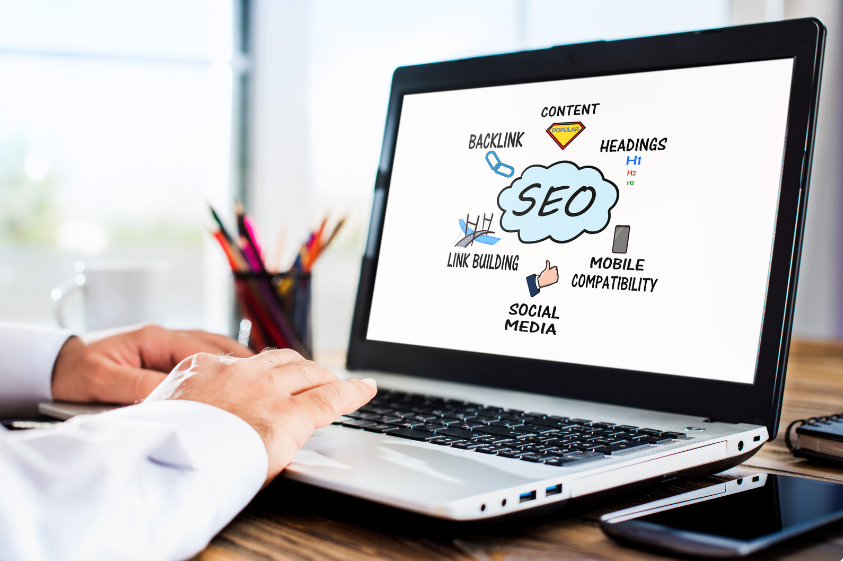
part of this essential process too. These strategies not only improve how we rank but also enhance the visibility of our websites in search results, driving more organic traffic directly to us.
In addition to these techniques, ensuring our website’s loading speed is optimal is a critical aspect of on-page SEO. A faster website not only improves user experience by reducing bounce rates but also aligns with search engine algorithms that favour quicker load times.
By compressing images, leveraging browser caching, and minimising JavaScript, we can significantly enhance our website’s performance and, consequently, its search engine ranking.
Another key component of on-page SEO is mobile optimisation. With a substantial portion of web traffic now coming from mobile devices, it’s imperative that our website is fully responsive and functions seamlessly across all screen sizes.
This involves using a mobile-friendly design, ensuring text is readable without zooming, and that navigation is effortless on smaller screens. Search engines prioritise mobile-optimised sites, making this an essential part of our SEO strategy.
The integration of structured data, or schema markup, is crucial for providing search engines with additional information about our content. This advanced SEO technique helps search engines understand the context of our pages better, potentially leading to enhanced search results like rich snippets.
These enriched results can improve our click-through rates by making our listings more attractive and informative to users, thereby driving more targeted traffic to our site.
On-Page SEO Elements
On-page SEO Elements play a critical role in determining the success of your website. Optimise content elements, HTML elements, and site architecture elements to boost search engine rankings and enhance user experience.
Content Elements
When it comes to on-page SEO, content optimisation is a crucial element. Crafting high-quality and relevant content tailored towards user intent underpins the ever-evolving realm of search engine optimisation.
Optimising title tags, meta descriptions, and internal links is not only important but also impacts user engagement metrics and ranking factors on the page itself. Integrating relevant keywords strategically into website pages enhances visibility in search results.
It’s important to optimise content meticulously for search intent as well as crafting unique and valuable content that resonates with the target audience.
HTML Elements
Moving on from content elements, we now turn our attention to HTML elements. HTML (Hypertext Markup Language) is the foundation of any web page, and its structure has a significant impact on search engine optimisation.
Elements such as title tags, meta descriptions, heading tags (H1, H2, etc.), and image alt attributes play a crucial role in conveying your page’s relevance to search engines. Optimising these elements with relevant keywords and descriptive language can enhance the visibility and ranking of your web pages.
Embracing HTML best practices strengthens the structural integrity of your website for improved user experience and search engine performance.
Site Architecture Elements
Transitioning from HTML elements to site architecture, we acknowledge the role of site architecture in enhancing website performance. It encompasses URL structure, internal linking, and navigation design.
Site architecture influences user experience and search engine crawlers’ ability to understand and index content. Properly structured URLs, clear navigation paths, and strategic internal linking contribute significantly to a website’s SEO optimisation efforts.
A well-organised site architecture not only aids users in finding relevant information but also helps search engines better comprehend the content hierarchy for improved visibility and ranking potential.
How to Optimise On-Page SEO
Optimising On-Page SEO involves strategic keyword placement, optimising title and meta descriptions, utilising headers and subheadings effectively, as well as incorporating engaging visuals and relevant external links to enhance the overall user experience.
To master these advanced techniques for improving website visibility on search engines, read more about how to optimise On-Page SEO.
Keyword placement
To optimise on-page SEO, we strategically place relevant keywords throughout the content. This practice ensures that search engines can easily identify the main focus of each webpage, resulting in improved rankings and visibility for our target audience.
By aligning our keyword placement with user intent and high-quality content, we enhance the overall website experience and increase the likelihood of attracting organic traffic.
Incorporating keywords into title tags, meta descriptions, headers, subheadings, and image alt text is crucial for effective on-page SEO. This approach enables us to communicate the relevance of our content to search engines while providing valuable information to users.
Title and meta-description optimisation
When it comes to optimising on-page SEO, we need to focus on title and meta description optimisation. These elements

play a crucial role in improving search engine visibility and attracting users to click through to your website. By crafting compelling titles with relevant keywords and creating engaging meta descriptions that accurately reflect the content, we can enhance the chances of drawing organic traffic. Incorporating pertinent keywords into these areas also helps align your content with user search queries, boosting its relevance and appeal. To effectively optimise titles and meta descriptions, digital marketers, website owners, entrepreneurs, and all involved in SEO should pay meticulous attention to detail. This practice encompasses tailoring each page’s metadata towards enhancing click-through rates while staying aligned with ever-changing
ranking factors. Effective title and meta-description optimisation starts with thorough keyword research. Identifying the terms and phrases your target audience is searching for allows you to strategically integrate these keywords into your titles and descriptions.
This not only makes your content more discoverable but also signals to search engines the relevance of your pages. It’s essential to place the primary keyword at the beginning of the title to capture attention immediately and improve ranking potential.
Your meta descriptions should be concise yet descriptive, offering a clear summary of the page content and a compelling reason for users to click.
Equally important is the readability and emotional appeal of your titles and meta descriptions. Crafting titles that evoke curiosity or urgency can significantly increase click-through rates. Phrases like “How to,” “Top Tips,” or “Essential Guide” can attract users looking for informative content.
In meta descriptions, incorporating action verbs such as “discover,” “learn,” or “find out” can encourage users to take the next step. Avoid keyword stuffing, as it can make your metadata look spammy and deter users, as well as potentially harm your search engine rankings.
Regularly reviewing and updating your titles and meta descriptions is crucial to maintaining their effectiveness. As search trends evolve and new keywords emerge, staying up-to-date ensures your content remains relevant and competitive. A/B testing different versions can provide insights into what resonates best with your audience.
Monitoring performance metrics such as click-through rates and bounce rates can help you fine-tune your approach, ensuring that your optimisation efforts continue to drive organic traffic and enhance user engagement.
Using headers and subheadings
Headers and subheadings play a crucial role in organising content and improving user experience. They provide structure to the page, making it easier for visitors to navigate and find the information they need.
Incorporating relevant keywords into headers and subheadings can also enhance on-page SEO, helping search engines understand the content’s relevance to specific queries. Using descriptive and engaging headers can entice users to continue reading, ultimately improving engagement metrics and potentially boosting rankings.
Proper use of headers and subheadings not only benefits SEO but also contributes to a more enjoyable browsing experience for website visitors.
Incorporating visuals and external links
When it comes to enhancing on-page SEO, incorporating visuals and external links plays a crucial role in engaging users and boosting website credibility. Visual content such as images, infographics, and videos not only enrich the user experience but also improve dwell time and reduce bounce rates.
Integrating relevant external links from authoritative sources can enhance the depth of your content and provide additional value to your audience.
Incorporating high-quality visuals that complement your content can increase user engagement and make information more digestible. Including external links to reputable websites can demonstrate expertise, authority, and trustworthiness (E-A-T), which is vital for improving search engine rankings.
Advanced On-Page SEO Techniques
To enhance your on-page SEO further, targeting featured snippets, optimising page speed, and using schema markup are essential techniques. These strategies can elevate your website’s visibility and performance in search engine results.
Optimising for page speed
Optimising for page speed is essential in on-page SEO. We focus on reducing loading times, compressing images, and minifying code to enhance user experience. Improving page speed not only boosts rankings but also reduces bounce rates, leading to higher engagement and conversions.
It’s crucial for all website owners and marketers to prioritise this aspect of on-page SEO.
Ensuring fast-loading pages directly impacts user satisfaction, retention, and ultimately your bottom line. By implementing strategies such as browser caching, leveraging content delivery networks (CDNs), and optimising server response times, we can significantly enhance the overall performance of our websites while meeting user expectations in a fast-paced digital landscape.
Targeting featured snippets
To target featured snippets, we focus on creating concise and informative content that aims to answer specific user queries. We structure the content with clear headings, subheadings, and bullet points to make it easy for search engines to understand.
By providing direct and well-organised information, we increase the chances of our content being showcased as a featured snippet in search results. Incorporating relevant schema markup can help improve the visibility of our content for featured snippets.
Incorporating keyword research into our content strategy allows us to identify common questions or topics users are searching for online. Understanding these user queries helps us create targeted and valuable content that is more likely to be chosen as a featured snippet by search engines.
Using schema markup
Transitioning from targeting featured snippets to using schema markup is a crucial step in enhancing on-page SEO. Schema

markup, also known as structured data markup can provide search engines with specific details about your content, which helps them understand and display it more effectively in search results. By incorporating schema markup into your website, you can improve the visibility of your content and increase the chances of attracting relevant traffic. This structured approach allows us to communicate essential information clearly and succinctly to search engine crawlers for better indexing and presentation in search results. Implementing schema markup enables us to provide additional context for different types of content, such as articles, events, products, reviews, and more. This added context can enhance the appearance of our listings in search engine
result pages (SERPs), making them more appealing and informative to potential visitors. One of the primary advantages of schema markup is its ability to generate rich snippets, which are enhanced descriptions that appear in search results.
Rich snippets can include elements like star ratings for reviews, cooking times for recipes, or upcoming dates for events, making the search result more informative and attractive. These enhancements can lead to higher click-through rates, as users are more likely to engage with listings that provide comprehensive and visually appealing information at a glance.
Schema markup supports voice search optimisation, a rapidly growing segment of search queries. By structuring your data in a way that is easily interpretable by voice search assistants like Google Assistant, Alexa, and Siri, you increase the chances of your content being featured in voice search results.
This not only broadens your reach to a wider audience but also positions your content as a direct answer to specific user queries, enhancing user experience and satisfaction.
Implementing schema markup can improve your website’s overall SEO health by reducing ambiguity and clarifying the intent of your content. This helps search engines like Google to accurately categorise and rank your pages, potentially leading to improved rankings and visibility.
As search algorithms continue to evolve, having well-structured data ensures that your website is better prepared to adapt to changes, maintaining strong search performance in an increasingly competitive digital landscape.
Best Practices for On-Page SEO
Craft unique and valuable content, optimise for click-through rates, and enhance user experience signals. For more insights on maximising your On-Page SEO efforts, keep reading.
Crafting unique and valuable content
Crafting unique and valuable content is central to our on-page SEO strategy. Tailoring our content towards relevant keywords ensures that it speaks directly to users’ search intent, improving click-through rates and user engagement metrics.
Incorporating high-quality, informative, and engaging content not only enhances user experience but also underpins our website’s visibility and ranking in search engine results. By optimising for both search engines and users, we can ensure that our website provides the most valuable information to our audience while meeting Google’s best practices for on-page SEO.
Optimising for click-through rates
To optimise click-through rates, we strategically place relevant keywords in title tags and meta descriptions. We also craft compelling and concise meta descriptions that entice users to click through to our website.
Testing different calls-to-action in our meta descriptions can help us identify which phrases resonate best with our audience, leading to increased click-through rates. Incorporating rich snippets and schema markup can enhance the visibility of our search listings, drawing more attention from potential visitors.
Implementing these strategies can lead to higher click-through rates and ultimately improve the overall performance of our website in search engine results pages (SERPs). By focusing on enhancing the appeal of our search listings, we can attract more organic traffic and potentially increase conversions on our website.
Enhancing user experience signals
To maintain a high-quality user experience on our website, we implement various signals to enhance user satisfaction and engagement. This includes factors such as page load speed, mobile responsiveness, and the overall usability of the site.
By focusing on these elements, we can ensure that visitors have a seamless and enjoyable experience when interacting with our content. Clear navigation and intuitive design also play a crucial role in guiding users through our website effectively.
Deploy Powerful On-Page SEO Strategies!
Incorporating on-page SEO strategies into your website can lead to higher rankings, increased traffic, and more conversions. By focusing on elements such as content structure, URL optimisation, image optimisation, and high-quality content creation, you can enhance your website’s visibility and relevance in search engine results.
Optimising search intent and integrating relevant keywords are crucial steps in maximising the impact of on-page SEO. Ensuring that title tags and meta descriptions are carefully crafted will contribute to improved page rankings.
By actively engaging with advanced techniques like structured data markup and enhancing page load speed, you can stay ahead in the ever-evolving world of on-page SEO. It is important to note that these practices directly influence user engagement metrics and play a pivotal role in shaping a positive website experience for visitors.


