
Struggling to see a spike in your website’s organic traffic despite investing heaps of time into quality content? Mate, we totally get it! Do you know what the data says? Our noggins crunch images a whopping 60,000 times faster than text.
So let’s take the plunge together into this blog post where we unpack how optimising your visual content can seriously supercharge your on-page search engine optimisation (SEO) efforts.
Are you up for discovering our secret sauce to effectively use visuals for higher rankings?
Key Takeaways
- Choosing the right image format, compressing images for faster loading times, and customising file names and alt text are essential for improving on-page SEO and user experience.
- Creating unique and original images helps enhance search engine rankings and attract more organic traffic to your website.
- Optimising image file structure by organising images into appropriate folders enhances on-page SEO efforts and improves user experience.
The Importance of Image Optimisation for On-Page SEO
Image optimisation plays a crucial role in on-page SEO, as it helps improve the visibility of your website in search engine rankings and enhances the overall user experience.
Choosing the right image format
Choosing the right image format plays a significant role in on-page SEO. Different formats such as JPEG, PNG and GIF
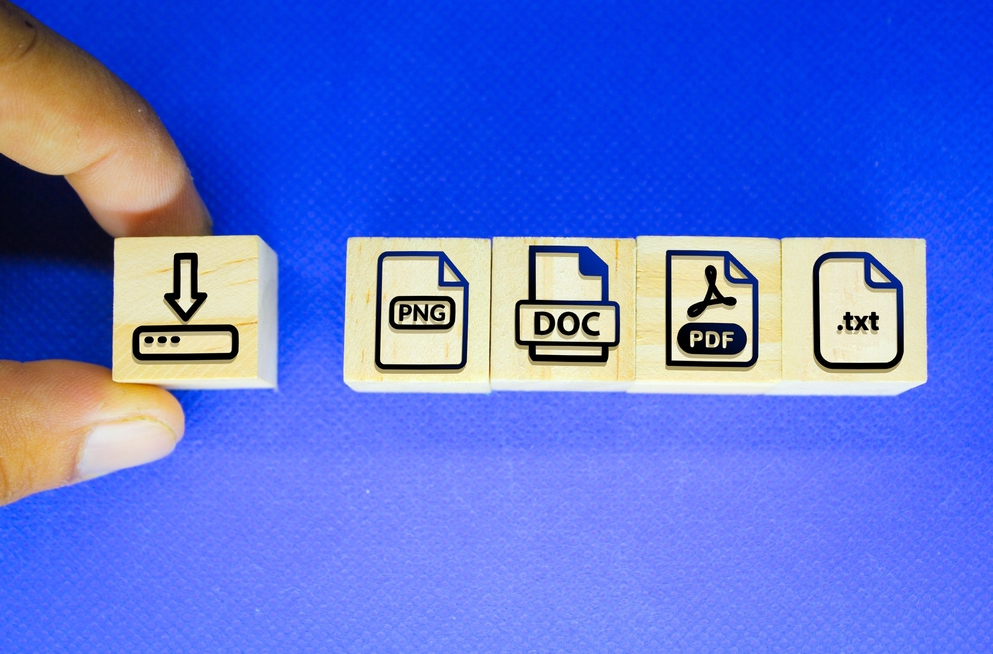
offer unique benefits and are suited to varying types of images. JPEG is ideal for complex pictures with vibrant colours, while PNG best serves simple graphics or logos with transparent backgrounds. GIFs are perfect for animations or moving visuals. Selecting an appropriate format enhances image quality without compromising loading speed—an essential consideration in user experience and search engine rankings. WebP is another image format worth considering, especially for those focused on optimising website performance. It combines the best of both JPEG and PNG by offering both lossy and lossless compression options. WebP images generally
have smaller file sizes than their JPEG or PNG counterparts, which can significantly improve loading speed without sacrificing quality. This format has gained support from most modern web browsers, making it a viable choice for web developers and SEO-conscious individuals looking to strike the right balance between image quality and page load times.
Image optimisation techniques such as compressing images without losing quality, using responsive images to serve different resolutions based on screen size, and specifying image dimensions in HTML can further improve on-page SEO and overall user experience.
By carefully choosing the right image format and applying these optimisation strategies, you can ensure your website not only ranks well in search engines but also provides a fast and visually pleasing experience for visitors.
Compressing images for faster loading times
Compressing images is crucial for improving website loading times. Large image files can slow down your site, leading to a poor user experience and lower search engine rankings. By compressing your images, you can reduce their file size without sacrificing quality.
This means that your web pages will load faster, making it easier for users to access your content and increasing the likelihood of them staying on your site. Compressed images also take up less storage space, which is especially important for mobile devices with limited memory.
Don’t overlook this important aspect of image optimisation as it plays a significant role in enhancing on-page SEO and providing a better overall user experience.
Creating unique and original images
To enhance your on-page SEO and stand out from the competition, it’s essential to create unique and original images. By
doing so, you can not only improve your search engine rankings but also provide a better user experience. Unique images help capture the attention of your audience and differentiate your website from others in the search results. Original visuals have a higher chance of being shared on social media platforms, increasing brand exposure and driving more organic traffic to your site. It’s crucial to consider the technical aspects of image optimisation. Ensure that your unique images are appropriately sized and compressed to reduce load times and enhance user experience. Utilise descriptive file names and alt text to make them search engine-friendly, as this can improve your website’s accessibility and SEO performance. Consider using image sitemaps to help search engines index your

visual content effectively. Keep an eye on the performance of your images by regularly monitoring your website’s speed and user engagement.
By continuously analysing the impact of your unique and original visuals, you can fine-tune your image creation strategy to stay ahead in the competitive online landscape and drive more traffic to your website.
So, be creative and think outside the box when creating images for your web pages or blog posts.
Customising image file names
Customising image file names is a crucial aspect of on-page SEO. By giving your images descriptive and relevant file names, you can improve their visibility in search engine rankings.
Instead of using generic names like “IMG1234.jpg,” consider incorporating targeted keywords that relate to the content of the image. This helps search engines understand the context and relevance of your images, ultimately enhancing your website’s optimisation.
Customising image file names also improves user experience as it provides meaningful information about the image before it even loads. So make sure to take advantage of this simple yet effective tactic to boost your on-page SEO efforts.
Writing SEO-friendly alt-text
When writing SEO-friendly alt text for your images, it is important to remember its role in improving your on-page SEO and

enhancing user experience. Alt text, or alternative text, provides a textual description of the image for search engines and visually impaired users who cannot see the image. To optimise your alt text, make sure to accurately describe the content of the image using relevant keywords that align with your overall SEO strategy. Keep it concise but descriptive, providing enough information for both search engines and users to understand what the image represents. By incorporating SEO-friendly alt text into your images, you can improve their visibility in search engine rankings and enhance the accessibility of your website. It’s crucial to maintain a natural tone when crafting alt text.
Avoid keyword stuffing, as it not only hampers user experience but can also result in penalties from search engines. Instead, focus on delivering valuable and informative alt text that genuinely assists users in understanding the image’s context.
Consider the context of the image within the page – how does it contribute to the overall content? Tailoring your alt text to align with the surrounding text and page theme can further boost its SEO effectiveness.
Lastly, don’t forget to periodically review and update your alt text as your website evolves. New content and design changes may require adjustments to your image descriptions to ensure they remain accurate and relevant. By consistently applying these principles of SEO-friendly alt text, you can foster a more inclusive online environment while also improving your website’s search engine performance.
Optimising image file structure
To optimise image file structure, organise your images into appropriate folders and subfolders on your website. This helps search engines and users easily navigate and find the images they are looking for.
Use descriptive file names for your images that include relevant keywords, as this can improve their visibility in search engine rankings. Make sure to include alt text for each image, providing a concise description of what the image is about.
Properly structuring your image files not only enhances your on-page SEO efforts but also improves the overall user experience on your website.
By optimising the image file structure, you enhance on-page SEO by improving website optimisation and search engine rankings. This is especially important when it comes to visual formats like pictures, illustrations, infographics, thumbnails, screenshots, and more.
Best Practices for On-Page Image SEO
In this section, we’ll explore some of the best practices for optimising images on your web pages to enhance your on-page SEO.
Ensuring mobile-friendly images
To enhance user experience and improve your website’s search engine rankings, it is crucial to ensure that your images are mobile-friendly. Mobile devices account for a significant portion of internet traffic, so optimising your images for mobile browsing is essential.
Make sure that the image file sizes are small enough to load quickly on mobile devices without compromising their quality. Use responsive design techniques to ensure that your images adjust seamlessly across different screen sizes and orientations.
By prioritising mobile-friendly images, you can provide a better experience for mobile users and boost your on-page SEO efforts.
Adding images to sitemaps
To maximise the visibility of your images in search engine results, it is important to add them to your website’s sitemap. By including your images in the sitemap, you are signalling to search engines that they should be indexed and considered for ranking purposes.
This can help improve your overall on-page SEO efforts by increasing the chances of your images appearing in image-specific search results. So don’t forget to add those eye-catching visuals to your sitemaps and boost the visibility of both your website and its images!
Implementing structured data for images
To boost your on-page SEO efforts with images, it’s important to implement structured data. By adding schema markup
specifically designed for images, you can provide search engines with additional information about your visuals. This helps search engines understand the context and content of your images. With structured data, you can include details such as image type, URL, authorship information, and even licensing details. This not only enhances the overall user experience by providing more relevant search results but also increases the visibility of your images in image searches. So make sure to integrate structured data for your images to maximise their impact on your on-page SEO strategy. When implementing structured data for

images, keep in mind that different types of visuals may require different schemas or properties. For example, if you’re using product images on an e-commerce website, you should utilise specific schemas like “Product” or “Offer.”
On the other hand, if you have a blog post with informative infographics or illustrations embedded within it, using schemas like “ImageObject” or “CreativeWork” would be more appropriate.
Remember that incorporating structured data into your image optimisation process is relatively straightforward. Just add relevant schema markup to the HTML code of each image element on your website.
You can find detailed guidelines and examples from Schema.org to ensure correct implementation.
On-Page SEO Techniques for Images
In this section, we will explore effective techniques for optimising images to improve your on-page SEO. From creating engaging content around images to strategically placing target keywords, these tactics are crucial for boosting search engine rankings and enhancing user experience.
Ready to learn more? Let’s dive in!
Creating engaging and optimised content around images
To maximise the impact of your images on SEO, it’s essential to create engaging and optimised content around them. Start by strategically placing target keywords in image-related elements such as image titles, captions, and descriptions.
This helps search engines understand what your images are about and improve their visibility in search results. Optimise title tags for images by including relevant keywords and writing compelling meta descriptions that entice users to click through.
Use headings and subheadings to structure image-based content effectively, making it easier for both search engines and users to navigate. By following these practices, you can enhance your on-page SEO efforts and provide a better user experience with visually appealing content.
Strategically placing target keywords in image-related elements
When optimising images for on-page SEO, it’s important to strategically place target keywords in image-related elements. This includes utilising keyword-rich file names for your images and incorporating relevant keywords in the alt text of the image.
By doing so, you can enhance the visibility of your images in search engine rankings and improve the overall optimisation of your website’s content. Consider using headings and subheadings that incorporate target keywords to structure image-based content effectively.
Remember that these strategies not only contribute to better SEO but also provide a seamless user experience by aligning visual elements with relevant textual information.
Optimising title tags for images
To enhance your on-page SEO and improve your website’s search engine rankings, optimising title tags for images is crucial. Including relevant keywords in your image titles helps search engines understand the content of the images and improves their visibility in image searches.
When optimising title tags for images, make sure to use descriptive, concise terms that accurately describe what the image represents. Avoid using generic or vague titles that don’t provide any context.
By using targeted keywords in your title tags, you can increase the chances of your images appearing higher in search results and driving more organic traffic to your website.
Writing compelling meta descriptions for images
We craft compelling meta descriptions for our images to enhance their visibility on search engines and improve our

website’s overall SEO. By providing concise and captivating descriptions that accurately reflect the content of each image, we can increase our chances of attracting users’ attention and enticing them to click through. These meta descriptions should incorporate relevant keywords, be written in an active voice, and follow proper sentence structure. With well-crafted meta descriptions, we can optimise our visual content for better search engine rankings and drive more organic traffic to our website. It’s crucial to infuse a touch of creativity and storytelling. Your meta descriptions should not only serve as informative text but also as a gateway to the story your image tells. This narrative approach can make your images stand out
amidst the sea of search results. Imagine describing an image of a serene beach sunset not just as a “beautiful beach sunset” but as “A breathtaking golden-hued sunset over tranquil waves, casting a warm, soothing glow on the sandy shore.” Such descriptions not only incorporate keywords but also evoke emotions and paint a vivid mental picture, enticing users to explore further.
It’s essential to keep your audience in mind when crafting these meta descriptions. Understand the user intent behind their search queries and align your descriptions accordingly. Are they seeking inspiration or information, or perhaps looking to purchase something? Tailoring your meta descriptions to fulfil these specific needs can make all the difference in not just attracting clicks but ensuring that the visitors find what they were looking for on your website. Remember, compelling meta descriptions not only boost SEO but also contribute to a more engaging and user-friendly online experience.
Using headings and subheadings to structure image-based content
We use headings and subheadings to structure image-based content. This helps organise the information and makes it easier for users to navigate through the page. By using clear and descriptive headings, we can provide a brief overview of what each section contains, allowing visitors to quickly find the information they are looking for.
Subheadings further break down the content into smaller sections, making it easier to scan and read. This not only improves the user experience but also helps search engines understand the context of our images, potentially improving their visibility in search results.
Structuring image-based content with headings and subheadings is an effective way to enhance both SEO and user experience on our website.”.
Advanced Image SEO Tactics
In this section, we will dive into advanced image SEO tactics that can take your on-page optimisation to the next level. From optimising images for page speed to targeting featured snippets with image optimisation, these strategies are sure to enhance your website’s visibility and improve user experience.
Don’t miss out on these powerful techniques that can boost your search engine rankings and maximise the impact of your visual content!
Optimising images for page speed
Optimising images for page speed is crucial for improving the overall performance and user experience of your website. By reducing image file sizes and implementing best practices, you can ensure that your pages load quickly and efficiently.
To optimise images for page speed, start by choosing the right format. Using modern formats like JPEG or WebP can significantly reduce file sizes without sacrificing image quality.
Compressing images using tools or plugins can further optimise loading times.
Another important aspect is customising image file names and writing SEO-friendly alt text. This helps search engines understand what the image is about and improves its visibility in search results.
Targeting featured snippets with image optimisation
To enhance your chances of appearing in featured snippets on search engine results pages, optimise your images. By
implementing image optimisation techniques, you can improve the visibility and ranking of your content. This involves choosing visually appealing and relevant images, optimising file names and alt text for SEO purposes, and structuring your content using headings and subheadings. By targeting featured snippets with image optimisation, you can increase your website’s traffic and attract more users to engage with your content. It’s crucial to focus on user experience and mobile-friendliness. Ensuring that your website loads quickly and displays images properly on both desktop and mobile devices can significantly impact your SEO efforts. Mobile optimisation has become increasingly important as more users access the internet through smartphones and tablets. A responsive design and

well-optimised images not only make your content more accessible but also contribute to higher search engine rankings.
Consider leveraging schema markup for images to provide search engines with additional context about your visuals. This structured data helps search engines understand the content and purpose of your images, potentially improving their chances of being featured in rich results or knowledge panels. By combining image optimisation with mobile-friendliness and schema markup, you can create a well-rounded SEO strategy that not only targets featured snippets but also enhances your overall online presence and user engagement.
So make sure to include this strategy in your overall SEO tactics to maximise the impact of visual elements on your on-page SEO efforts.
Implementing schema markup for images
Implementing schema markup for images is a crucial step in enhancing your on-page SEO. By using schema markup, you can provide search engines with additional information about your images, such as the image type, subject matter, and copyright details.
This helps search engines understand the context of your images better and improves their visibility in image searches. Schema markup also allows you to include important details like location, product availability, and ratings associated with your images.
By utilising this structured data markup language, you can optimise your website’s image search rankings and enhance the overall user experience.
Master Page Optimisation!
Image optimisation plays a crucial role in improving on-page SEO and enhancing user experience. By choosing the right image format, compressing images for faster loading times, and customising file names and alt text, you can improve search engine rankings and attract more organic traffic to your website.
Incorporating visuals effectively into your content helps engage users and makes your website more visually appealing. So don’t underestimate the power of optimising images for better SEO results!


