
Does your e-commerce site seem to be haemorrhaging potential sales owing to cart abandonment? We empathise with you, it’s a right pain in the neck. Studies from the Baymard Institute highlight that nearly 70% of online shopping carts are neglected before purchase.
Never fear, our comprehensive guide is here, armed with strategies to decrease shopping cart abandonment, optimise your conversion rate and give a healthy boost to overall e-commerce sales.
Strap yourself in for an insightful journey into CRO techniques ready to seal those pesky leaks in your revenue bucket!
Key Takeaways
- CRO, or Conversion Rate Optimisation, is a process that improves the percentage of website visitors who complete desired actions like making a purchase.
- Shopping cart abandonment is when customers add items to their online shopping carts but leave without completing the purchase.
- Common causes of shopping cart abandonment include high shipping costs, unexpected fees, complicated checkout processes, lack of trust in website security, and limited payment options.
- To reduce cart abandonment, simplify the checkout process by reducing steps and form fields, streamlining navigation, and offering a guest checkout option.
Understanding CRO and Shopping Cart Abandonment
CRO, or conversion rate optimisation, is a crucial aspect of e-commerce that focuses on improving the percentage of website visitors who make a purchase. Shopping cart abandonment refers to the act of adding items to an online shopping cart but leaving without completing the purchase.
Understanding CRO and cart abandonment is essential for successfully optimising sales in e-commerce.
What is CRO?
CRO, or Conversion Rate Optimisation, is a systematic process aimed at improving the percentage of website visitors who
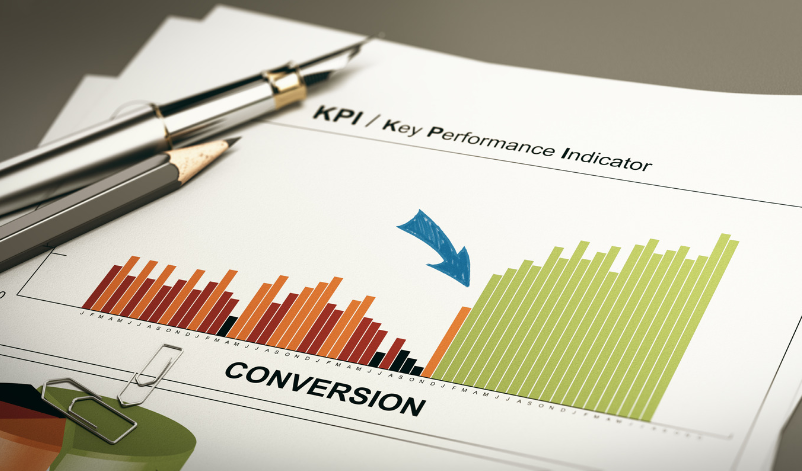
complete desired actions. These actions may include making a purchase, filling out a form, or clicking on a link. By tweaking and testing different elements like page layout, colour schemes, button placements or call-to-actions on your site using A/B tests and other methodologies – you can enhance the user experience resulting in higher conversion rates. Continued optimisation ensures that more users will move seamlessly through your sales funnel to make valuable engagements with your e-commerce platform. CRO is not a one-size-fits-all approach; it involves a detailed analysis of user behaviour,
feedback, and analytics to identify areas that need improvement. Understanding your target audience is crucial in tailoring the website to meet their preferences and needs.
Factors such as responsive design, site speed, and intuitive navigation also play pivotal roles in influencing conversion rates. A well-executed CRO strategy goes beyond merely increasing the number of conversions; it fosters a better user experience, building trust and brand loyalty.
CRO is an ongoing process that requires adaptability and a willingness to experiment. It’s not just about changing button colours; it’s about understanding the psychology behind user interactions and making data-driven decisions. Businesses that prioritise CRO invest in understanding the customer journey, implementing changes based on insights, and staying ahead of industry trends.
In an ever-evolving digital landscape, where user expectations are dynamic, Conversion Rate Optimisation stands as a strategic tool for businesses aiming to maximise the impact of their online presence.
What is Shopping Cart Abandonment?
Shopping cart abandonment is a common occurrence in e-commerce. It refers to the situation where a customer adds items to their online shopping cart but leaves the website without completing the purchase.
This can happen for various reasons, such as unexpected shipping costs, complicated checkout processes, or lack of trust and transparency. Understanding why customers abandon their carts is crucial for businesses looking to improve their conversion rates and increase sales.
By addressing these issues and implementing strategies to reduce cart abandonment, businesses can optimise their e-commerce conversions and boost their overall revenue.
Common causes of shopping cart abandonment
Customers abandon their shopping carts for various reasons, and understanding these common causes can help you optimise your e-commerce conversion rate. High shipping costs, unexpected fees, and complicated checkout processes are some of the main culprits behind cart abandonment.
Other factors include a lack of trust in the website’s security or concerns about sharing personal information. Limited payment options or a lack of transparency regarding product availability and delivery can also frustrate potential customers.
By addressing these issues and improving user experience, you can minimise cart abandonment and increase your online sales.
Simplify the Checkout Process
To make the checkout process more user-friendly and efficient, we can reduce the number of steps, limit form fields, streamline navigation, and offer a guest checkout option.
Reduce steps
We should strive to reduce the number of steps required during the checkout process on our e-commerce websites. By simplifying the process, we can increase the chances of customers completing their purchases and decrease cart abandonment rates.
Limiting form fields, streamlining navigation, and offering a guest checkout option are effective ways to make the process more user-friendly. Let’s ensure that our customers have a smooth and straightforward experience from adding items to their carts all the way through payment.
Limit form fields
To increase conversions and reduce cart abandonment, it is important to limit the number of form fields on your e-commerce website. Having a lengthy and cumbersome checkout process can deter customers from completing their purchases.
By only asking for essential information like name, email address, and shipping details, you can streamline the checkout experience and make it quicker for customers to complete their purchases.
This not only reduces friction but also improves user experience, increasing the likelihood of conversion. So keep it simple and minimise the number of form fields to optimise your e-commerce conversions.
By limiting form fields on your website, you create a smoother path towards checkout completion for your customers. This means they spend less time filling out forms and are more likely to proceed with their purchase.
Streamline navigation
To optimise your e-commerce conversion rates and decrease cart abandonment, it’s crucial to streamline navigation on
your website. By reducing steps and simplifying the checkout process, you can improve the user experience and make it easier for customers to complete their purchases. Limiting form fields and offering a guest checkout option are effective ways to eliminate unnecessary friction in the buying journey. Remember, a smooth and intuitive navigation design will help keep customers engaged, minimise frustration, and ultimately increase conversions. Incorporating a clear and visible call-to-action (CTA) at each stage of the customer journey is crucial. Ensure that buttons like “Add to Cart,” “Proceed to Checkout,” and “Place Order” are prominently displayed and easily accessible. Consistency in the design and placement
of these CTAs across the website enhances user familiarity and reduces confusion, guiding customers seamlessly through the conversion funnel. Employing responsive design principles is essential for streamlining navigation, especially in the era of mobile commerce. Optimise your website for various devices to create a consistent and user-friendly experience across smartphones, tablets, and desktops.
Responsive design not only caters to the diverse preferences of your audience but also prevents potential frustration caused by poorly rendered pages on different screens. By prioritising a responsive and intuitive design, you not only enhance the overall user experience but also contribute significantly to reducing cart abandonment rates and maximising e-commerce conversions.
Offer guest checkout option
We highly recommend offering a guest checkout option on your e-commerce website. This allows customers to make a purchase without having to create an account. Many shoppers prefer this option as it saves them time and eliminates the need for remembering yet another username and password.
By providing a guest checkout option, you are removing potential barriers that may prevent customers from completing their purchases, increasing the chances of conversion. It can also help capture valuable customer data for future marketing efforts.
So go ahead and make the guest checkout option easily visible and accessible to your customers!
Building Trust and Transparency
Building trust and transparency is crucial for e-commerce success.
Clear return policy
We offer a clear return policy to provide peace of mind to our customers. Our return policy ensures that if you are not satisfied with your purchase, you can easily return the item for a refund or exchange.
We understand that sometimes products may not meet your expectations or there may be issues with sizing or quality. With our clear return policy, we make it hassle-free for customers to initiate returns and receive prompt assistance from our customer support team.
By offering a transparent and straightforward return process, we aim to build trust and loyalty among our valued customers.
At our store, we believe in putting the customer first and making their shopping experience as smooth as possible. That’s why we have implemented an easy-to-understand return policy that outlines all the necessary steps and guidelines for initiating a return.
Money-back guarantee
A money-back guarantee can be a powerful tool to build trust and increase conversions on your e-commerce website. Customers are more likely to make a purchase if they know that they have the option to get their money back if they’re not satisfied.
By offering a money-back guarantee, you signal to your customers that you believe in the quality of your products or services. This helps reduce any hesitation or doubts that potential customers may have about making a purchase from your site.
A money-back guarantee can also help improve customer loyalty and retention as it shows that you value their satisfaction and are willing to go the extra mile to ensure it.
Social signals
Building trust and credibility is crucial for e-commerce websites. One way to achieve this is by incorporating social signals into your online store. Social signals refer to the factors that indicate a website’s popularity and quality, such as likes, shares, comments, and followers on social media platforms.
By showcasing these social signals on your website, you can instil confidence in potential customers and encourage them to make a purchase. When visitors see that others have engaged with and endorsed your brand, it creates a sense of trustworthiness, making them more likely to convert into paying customers.
So don’t underestimate the power of social proof – leverage social signals to boost your e-commerce conversions!
Transparent costs
We believe that transparency is key when it comes to e-commerce costs. Customers appreciate knowing exactly what they

will be paying for and having no surprises at checkout. By clearly displaying product prices, shipping fees, and any additional charges upfront, you can build trust with your customers and reduce the likelihood of cart abandonment. Make sure to provide a breakdown of costs and offer multiple payment options so that customers feel in control of their purchasing decisions. Transparency in pricing not only improves the user experience but also helps increase conversion rates and drive sales. It’s crucial for e-commerce platforms to provide clear and detailed information about any potential taxes or customs duties that may apply to
international orders. This ensures that customers are fully informed about the total cost of their purchase, including any additional charges that may arise based on their location. By preemptively addressing these potential costs, businesses can enhance customer satisfaction and avoid post-purchase disputes.
An effective way to reinforce transparent pricing is to implement a straightforward returns policy. Clearly communicate any associated costs or conditions related to product returns, including shipping fees and restocking charges.
This transparency not only fosters trust but also empowers customers to make informed decisions, knowing that the process of returning a product is as clear and straightforward as the initial purchase. A hassle-free returns process can contribute significantly to customer loyalty and repeat business.
Consider incorporating real-time shipping cost calculators during the checkout process. This allows customers to see the exact shipping fees based on their location and chosen delivery method. By providing this level of detail, you not only empower customers with accurate information but also minimise the chances of abandoned carts due to unexpected or unclear shipping costs.
Transparent and precise communication about every aspect of the purchasing journey contributes to a positive customer experience, laying the foundation for long-term customer relationships.
Move the estimated delivery date before checkout
We recommend moving the estimated delivery date before checkout on your e-commerce website. By doing this, you provide customers with important information upfront, allowing them to make more informed purchasing decisions.
Placing the estimated delivery date earlier in the process helps build trust and confidence in your brand, as customers appreciate knowing when they can expect their items to arrive.
This small change can significantly reduce cart abandonment rates and increase conversions on your online store.
Techniques to Improve CRO
To improve CRO, optimise your website for mobile devices, utilise exit-intent pop-ups, send follow-up emails, and communicate with push notifications.
Optimise for mobile devices
We optimise our websites for mobile devices to ensure a seamless shopping experience for our customers. Mobile optimisation involves designing and formatting our website so that it is easy to navigate and use on smartphones and tablets.
By optimising for mobile, we can increase engagement, reduce bounce rates, and drive more conversions. It’s important to prioritise responsive design, fast loading times, and user-friendly interfaces when optimising for mobile devices.
This way, we can cater to the growing number of shoppers who prefer browsing and purchasing products on their mobile devices.
Utilise exit-intent pop-ups
We can increase conversion rates and reduce cart abandonment by utilising exit-intent pop-ups. These pop-ups are triggered when a visitor is about to leave the website, capturing their attention and offering them a compelling reason to stay or make a purchase.
Exit-intent pop-ups can be used to provide discounts, special offers, or incentives that motivate visitors to complete their purchases. By using these pop-ups strategically, we can effectively engage with potential customers at the right moment and improve our chances of converting them into paying customers.
Send follow-up emails
We send follow-up emails to customers who have abandoned their shopping carts as a way to remind them about the items they left behind. These emails serve as gentle reminders and can be an effective strategy for increasing conversions.
By sending a well-crafted email that includes personalised product recommendations, limited-time promotions, or even a discount code, we can entice customers back to complete their purchases.
Follow-up emails also provide an opportunity to address any concerns or objections the customer may have had during the checkout process, ultimately helping to build trust and improve customer satisfaction.
Follow-up emails can also be used to gather valuable feedback and insights. We can include a simple survey or ask for reviews in these emails, giving us valuable information on why customers may have abandoned their carts and what we could do better in the future.
This data-driven approach allows us to continuously optimise our website and improve our conversion rates over time.
Communicate with push notifications
We can improve our e-commerce conversion rates by using push notifications to communicate with our customers. Push notifications are short messages that appear on a user’s device, even when they are not actively on our website or app.
These notifications can be used to remind customers about items in their cart, notify them of special offers or discounts, and provide relevant updates about their orders. By utilising push notifications effectively, we can grab the attention of our customers and encourage them to complete their purchases or take advantage of promotions.
E-commerce CRO: Tackling Cart Abandonment
Implementing effective strategies to improve e-commerce conversion rate optimisation and reduce shopping cart abandonment is crucial for increasing online sales. Simplifying the checkout process, building trust and transparency, and utilising techniques such as mobile optimisation and follow-up emails can significantly impact conversion rates.
By addressing common causes of cart abandonment and optimising the user experience, businesses can maximise their revenue potential in the competitive e-commerce landscape.


